Chapter 34: Turning Back
Finding the balance between saving energy and pushing forward
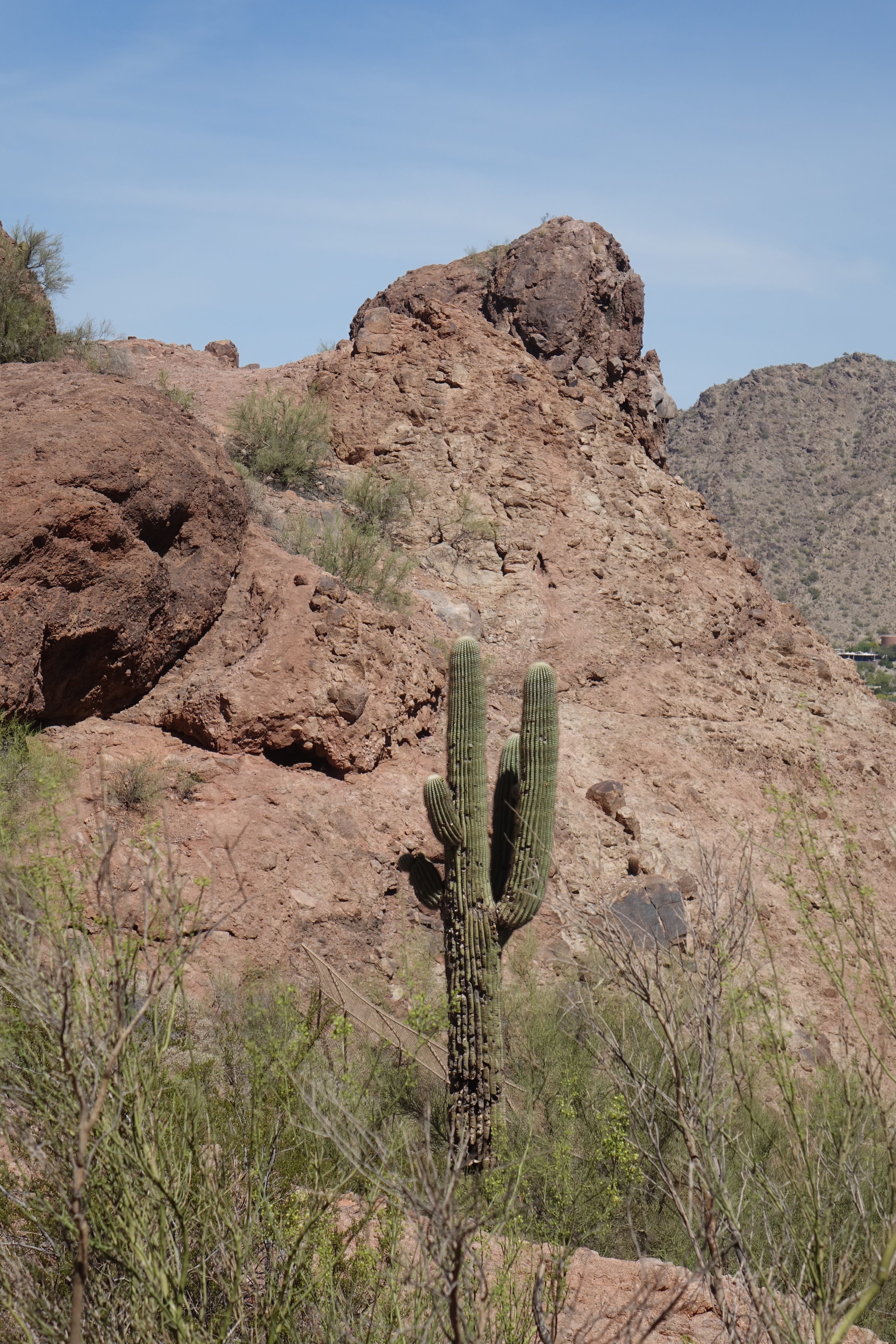
Last week I decided to go on a hike which started as moderate and halfway up became very difficult. Within 15 minutes, I felt my energy begin to wane. With multiple stops I made it to the spot where the trail changed from moderate to difficult. My adolescent brain told me to continue, which I did for another five minutes.
Then reality set in.
I had hiked 3/8 mile and climbed 240 feet in rough terrain. What remained was 3/4 mile and 1,024 feet in treacherous terrain.
Could I really consider making it up a difficult climb if I began that section already tired? Would my coordination and ability to quickly regain balance be up to the task? It did not take high level thinking to decide to turn back. But it did take shutting off the adolescent brain to do so.
Better that I make the decision to go back rather than the mountain make the decision for me.
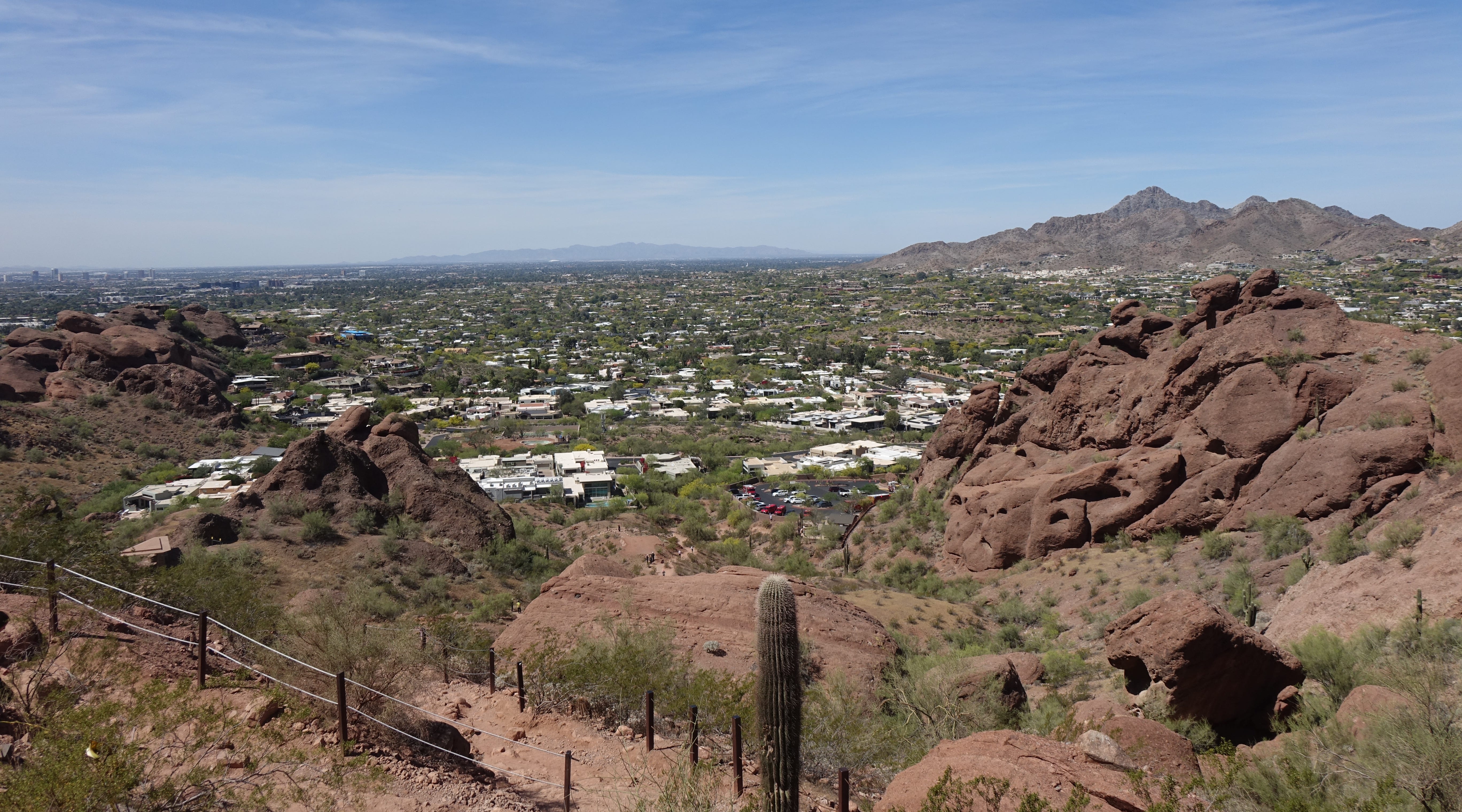
It made me think about how I approach challenges, the choice between meeting them head on, doing only part of what is needed with resentment, or simply complaining, and in the end accepting what I can, with some measure of gratitude for having that choice. As a younger man I would have been disappointed in myself that I did not push on to exhaustion. I would have seen it as a test of my tenacity and drive. Now I am grateful that I can still hike and accept some of my limitations. Hiking up a mountain is a painful reminder of what I have lost from cancer, from chemotherapy, and from aging. It is difficult to fully grasp that I no longer have the energy reserves I once did. I now understand that hiking to the point of exhaustion means that for the next few days I will feel tired, think less clearly, and not exercise with the enthusiasm I expect of myself.
Yet I also feel gratitude.
I can walk. I can hike up a mountain to the point that I am tired. But it is a fine line as to what I want to sacrifice. Do I take the hike and feel the fresh air in my lungs, see the beauty only afforded to me if I push my body, knowing that the next three or four days will leave me physically tired and mentally off my game? Not having the extra mental capacity needed to play music? Or do I limit how far I push so that I will feel good tomorrow? These are not questions I would have even conceived of when I was younger. In my twenties and thirties, I was a long-distance runner. I knew that pushing myself to extreme exhaustion would mean a day of being tired, but in the long run I would get in better physical shape. I now have the gratitude that I can still do these things, but also the quiet grief of the loss of my youth. And here I am, still trying to find the balance between physically pushing myself and the need to rest afterward. For most of my life I pushed myself physically—taking a profession where I would sometimes wake up at 2 am to perform emergency surgery and still put in a full day of work afterward.
I am still walking that line…between the joy of pushing myself and the reality of what it costs.
my thing is music festivals
last year was hard, less dancing, more going to bed with a hot drink just after midnight instead of getting in when it is light
but it is better to have some fun than no fun (PC stage 4)
Watch out for the rattlers…